Currently Empty: $0
Play is a fundamental aspect of early childhood development and learning. It is often through play that young children explore the world around them, develop social skills, build cognitive abilities, and lay the foundation for future learning. While play might seem simple and recreational, its impact on a child’s growth and development is profound. In this article, we will delve into the reasons why play is crucial in preschool and early childhood education.
- Cognitive Development:
Play fosters cognitive development in young children. During play, children engage in problem-solving, decision-making, and critical thinking. Whether it’s stacking blocks, solving puzzles, or engaging in imaginative play, children are constantly using their minds to explore and understand their surroundings.
- Social Skills:
Through play, children learn vital social skills, such as communication, cooperation, empathy, and conflict resolution. Interacting with peers during play helps them understand social cues, develop friendships, and build a sense of belonging within a community.
- Language Development:
Play provides opportunities for language development. Whether children are engaging in pretend play, storytelling, or simply interacting with others, they are continuously building their vocabulary, language comprehension, and communication skills.
- Emotional Regulation:
Play allows children to express their emotions in a safe and constructive manner. They can act out different scenarios and explore various emotions, helping them develop emotional regulation skills and a better understanding of their feelings.
- Motor Skills:
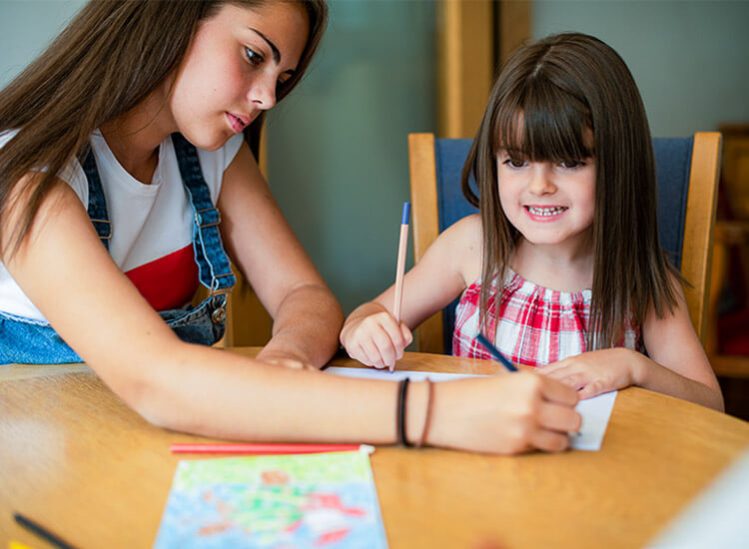
Physical play, such as running, jumping, and climbing, helps in the development of gross motor skills. Fine motor skills are honed through activities like drawing, coloring, and building with blocks. Play contributes to the overall development of a child’s motor skills, enabling them to navigate and interact with their environment effectively.
- Creativity and Imagination:
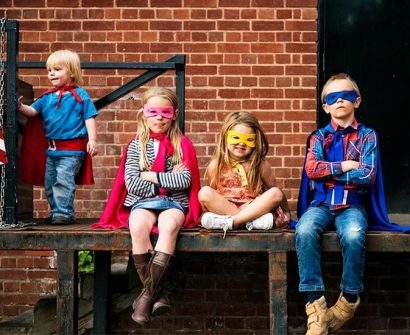
Play encourages creativity and imagination. During imaginative play, children create scenarios, take on roles, and experiment with different ideas. This fosters creative thinking, problem-solving, and the ability to think outside the box.
- Curiosity and Exploration:
Play nurtures a child’s natural curiosity and desire to explore. By engaging with their environment through play, children actively seek knowledge and understanding of the world, laying the groundwork for future learning.
- Confidence and Self-Esteem:
Achievements in play, no matter how small, boost a child’s confidence and self-esteem. Positive experiences during play contribute to a child’s sense of competence and belief in their abilities.
- Brain Development:
Research has shown that play promotes healthy brain development in early childhood. Playful experiences stimulate neural connections and strengthen brain pathways, enhancing overall brain function.
- Joyful Learning:
Playful learning experiences bring joy and enthusiasm to education. When children enjoy what they are doing, they become more engaged and receptive to learning, fostering a positive attitude towards education in general.
Conclusion:
Play is a powerful tool in early childhood education. It is not just a break from learning; rather, it is an integral part of learning itself. Through play, children develop essential skills and traits that serve as building blocks for their future academic and social success. Preschool and early childhood educators play a vital role in creating environments that encourage and facilitate play-based learning experiences. By recognizing the importance of play and incorporating it into the curriculum, we can empower children to develop holistically and lay the groundwork for a lifelong love of learning.